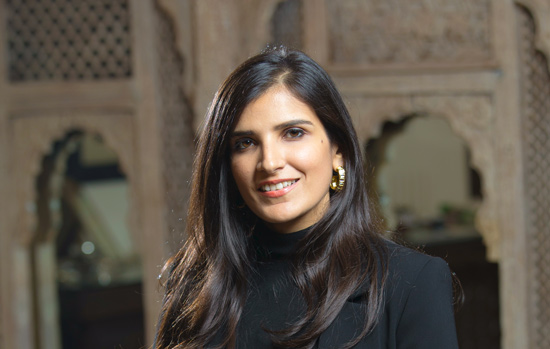
In a D2C ecosystem saturated with performance-marketing-driven brands battling for wafer-thin margins, Bhavna Sharma took a deeply contrarian approach. With PureVeda, a modern wellness and organics brand, she rejected the 'growth at all costs' narrative. Instead, she built a highly profitable, community-first business that relies almost entirely on organic growth and word-of-mouth.
We sat down with Bhavna in Mumbai to discuss her brand's extraordinary 300% YoY growth, the dangers of relying on Instagram ads, and why supply chain resilience is a founder's best friend.
I was frustrated as a consumer. Everything in the clean-beauty and wellness space was either heavily imported and exorbitantly priced, or masquerading as 'natural' while being packed with synthetics. I wanted radical transparency. The initial goal wasn't to build a massive company; it was simply to create a trustworthy supply chain for products my own family could use safely.
Because performance marketing is a drug. Customer Acquisition Cost (CAC) constantly rises, and eventually, the ad platforms eat your entire margin. We decided to invest what would have been ad spend into community building and product quality. In the first year, our growth was incredibly slow, and it was terrifying. But once the network effect of genuinely satisfied customers kicked in, our retention rates skyrocketed to 60%, compared to the industry average of 15%.
By owning as much of it as possible from day one. D2C founders often make the mistake of white-labeling products and treating the manufacturer as a distant vendor. We spent our first eight months living on farms and in manufacturing units. By deeply integrating with our suppliers, we created a resilient foundation that didn't snap when volume spiked unexpectedly during the holidays.
It means co-creation. Before we launch a new product line, we send raw prototypes to our top 500 customers. We iterate based on their feedback, down to the texture and the scent. When the product finally launches, those 500 people aren't just consumers; they are co-creators and powerful evangelists for the brand.
Certainly. Early on, I was frequently asked 'lifestyle' questions—how I plan to balance this with a family, etc. Questions my male counterparts are rarely asked. My response was to simply present our unit economics. When your business is profitable and growing organically, the numbers do the talking. We eventually partnered with investors who respected the business fundamentals rather than the optics.
It was devastating. When you're building a brand, your personal life and professional life are often tethered together. The breakup happened right when we were hit with a major supply chain crisis. For a few weeks, I was completely paralyzed. But then I realized that the startup was the only thing I had total agency over. I channeled all the grief, the anger, and the emptiness into the product. Every late night I spent obsessing over the brand was a night I wasn't obsessing over the heartbreak. In a strange way, the business saved me from falling apart, and the breakup gave me a level of focus I didn't know I possessed. I stopped looking for external validation and started finding it in the community I was building.
The biggest battle was self-doubt. When you're bootstrapped, every rupee spent feels like a gamble. There were nights when I wondered if I was just wasting my prime years on a 'passion project'. My biggest support was my husband, who didn't just provide emotional stability but also handled the logistics when I was too overwhelmed to function. Having even one person who believes in your vision as much as you do is the ultimate unfair advantage.